Sod installation for a new lawn.
We lay a whole lawn or one section, in Anne Arundel County and on Kent Island.
- Insured
- Locally owned
- Free estimates
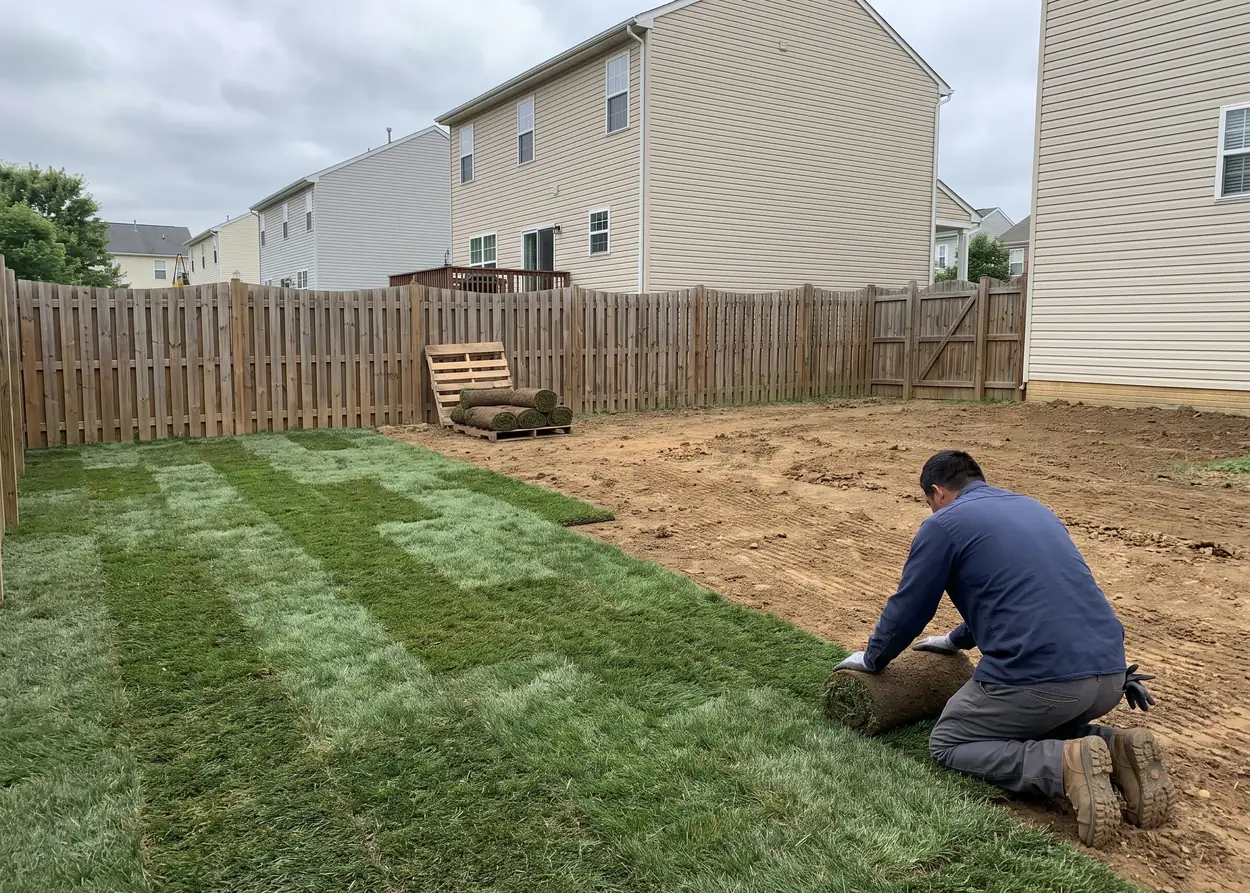
The easier season for sod in Maryland
Mid-August to mid-October.
Sod can go down in other months too, on unfrozen ground when the day stays below 90 degrees.
When should sod be laid in Maryland?
Mid-August to mid-October is the planting window for cool-season grass, the kind in most Maryland lawns. Sod has a longer window than seed: it can go down any day the ground is not frozen and the daytime temperature stays below 90 degrees. We lay sod for homes around Annapolis, and the estimate is free.
What sod gives you
A lawn the day it goes down.
Sod is typically established in 3 to 4 weeks.
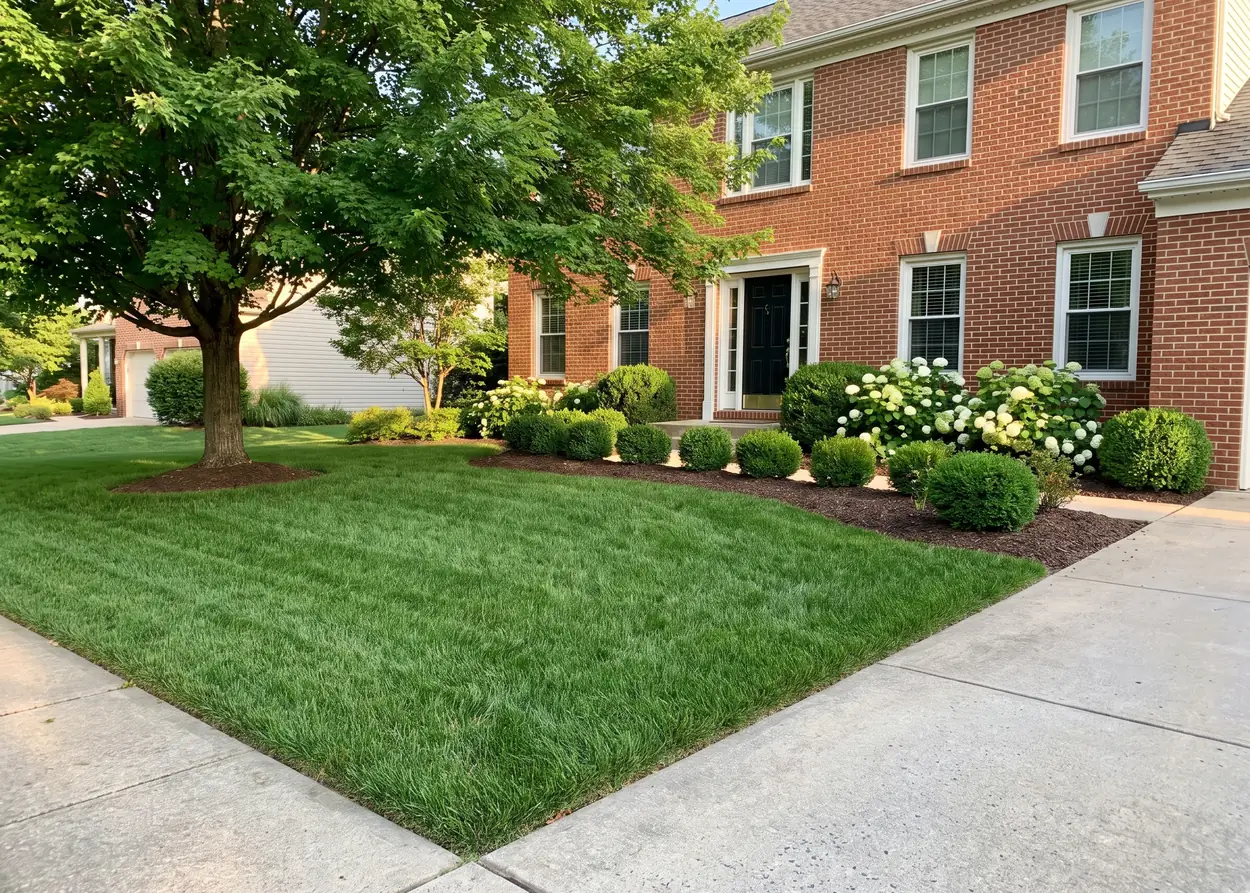
What new sod needs.
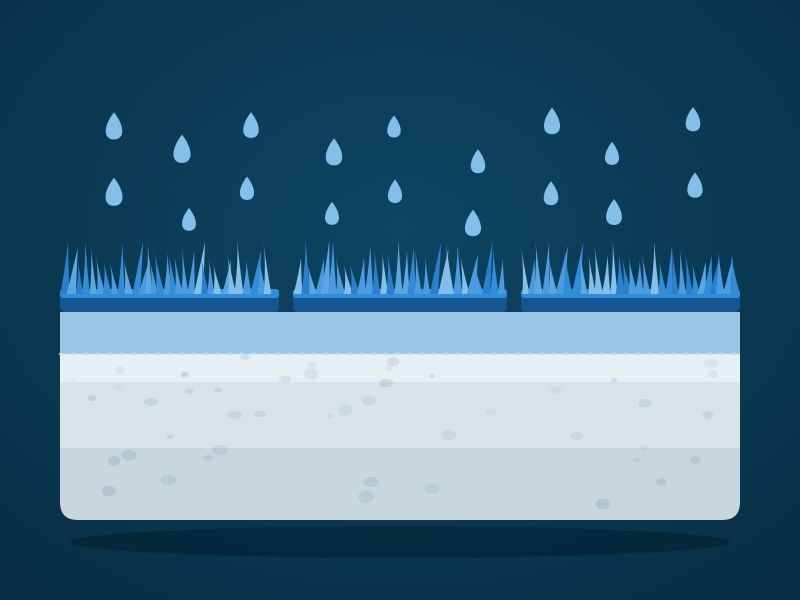
Water it right away.
Then regularly for 2 to 3 weeks, maybe every day.
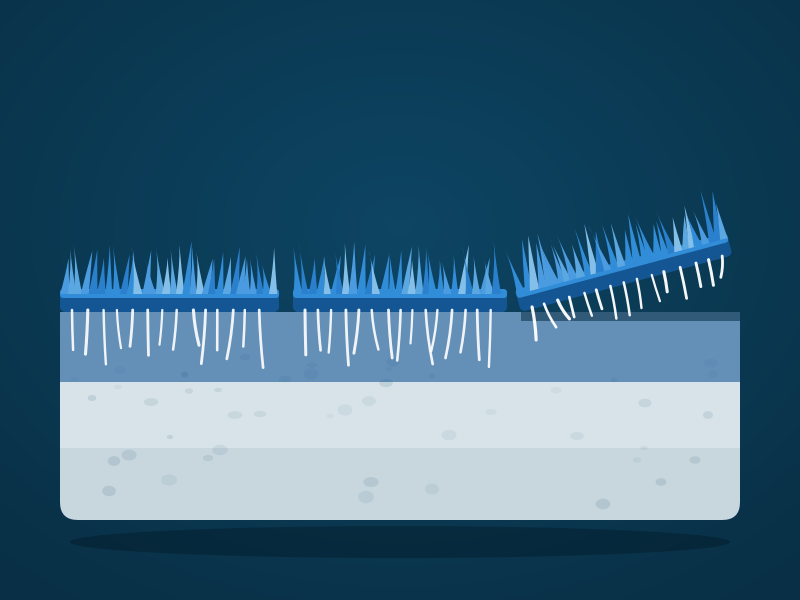
Stay off until it roots.
Gently lift a corner and look for young white roots. Rooted sod resists a tug.
Source: University of Maryland Extension
Around a new lawn.
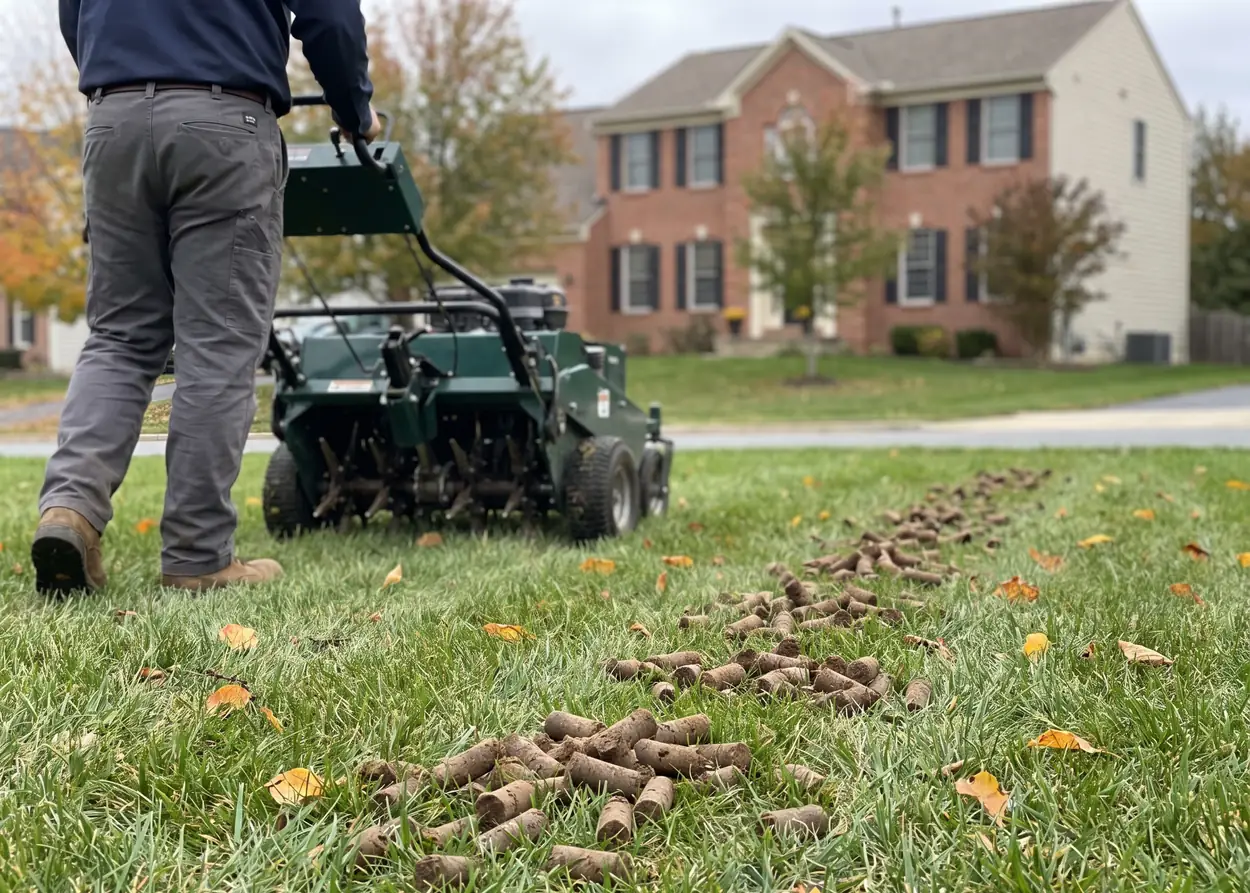
Aeration and overseeding
Seed into the lawn you already have.
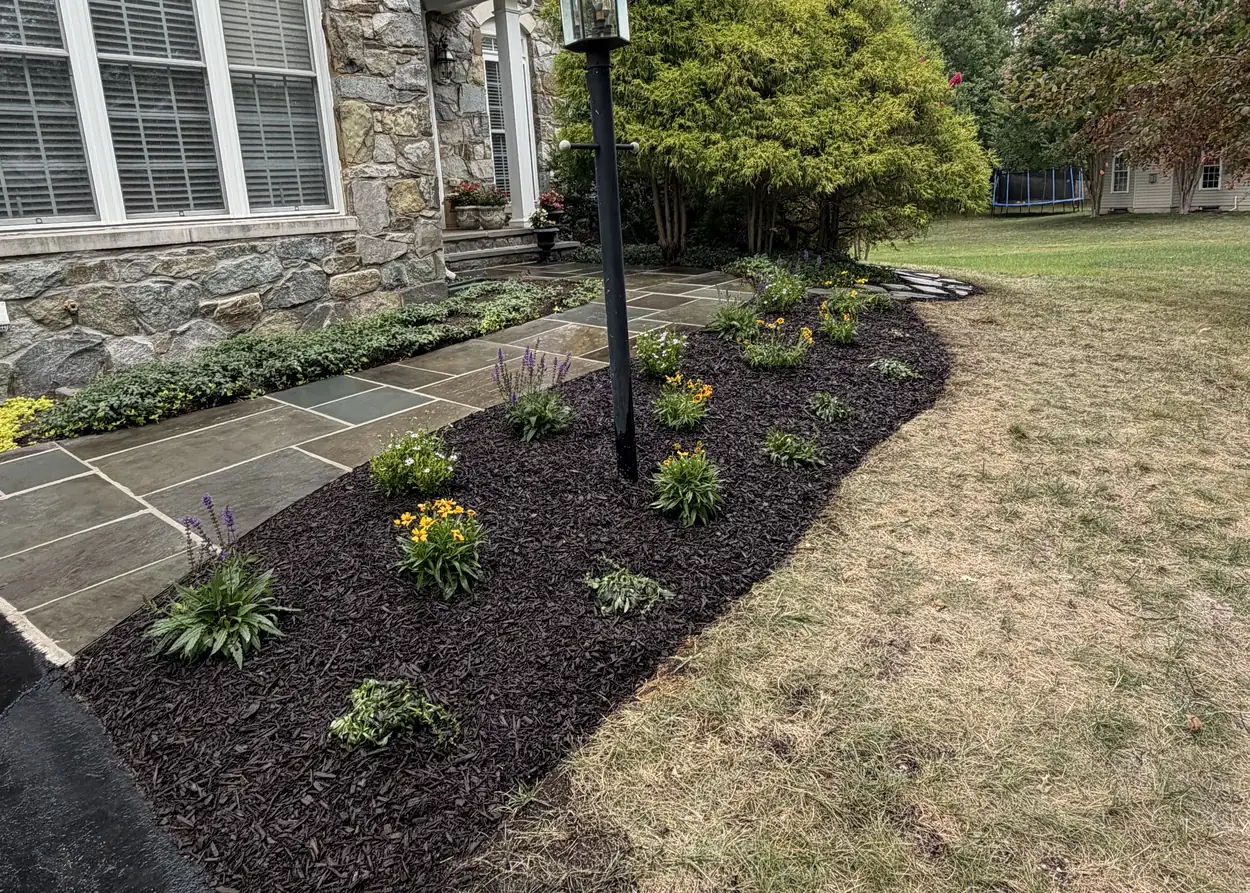
Mulch and planting beds
For the beds beside the new grass.
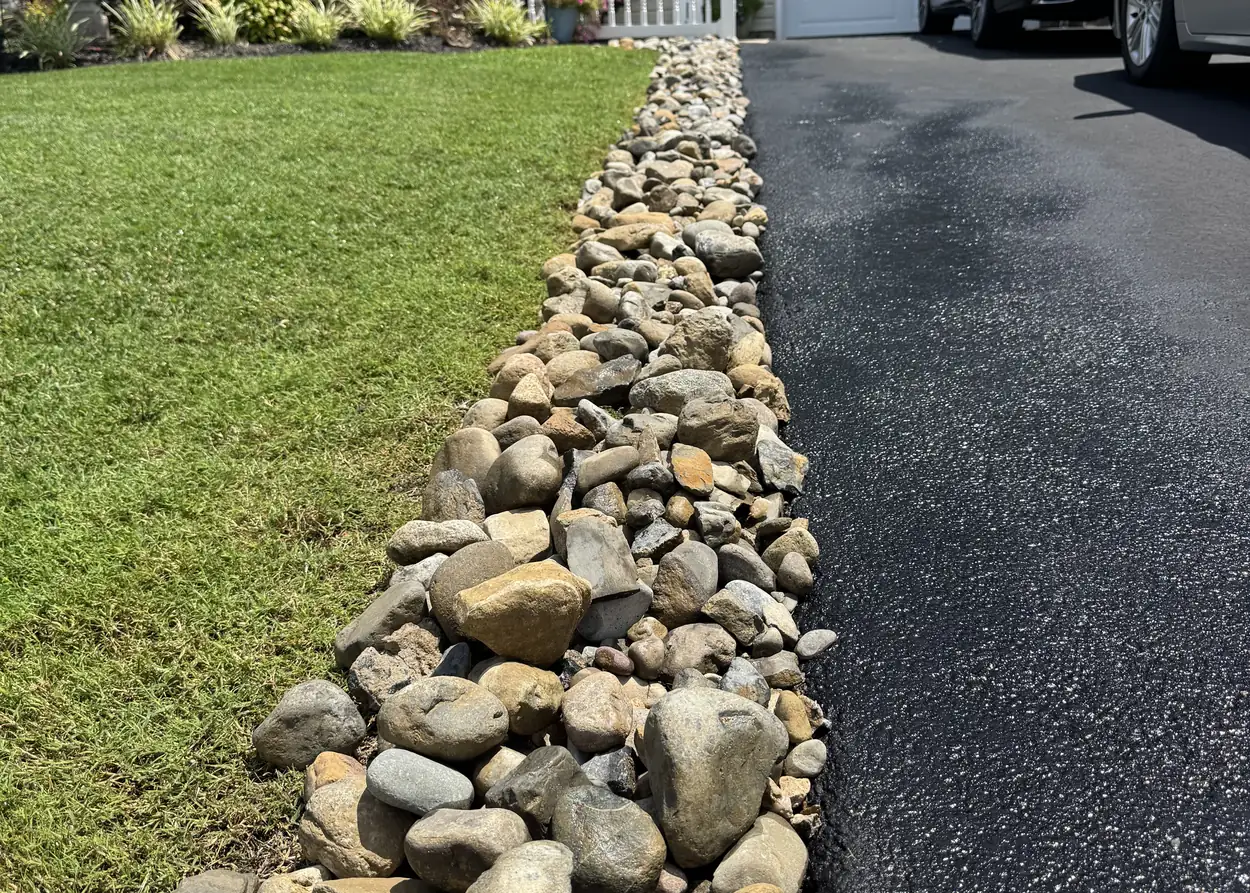
Yard drainage
For a low spot that stays wet.

Lawn care
Mowing, cleanups and seasonal work.
Questions
Can sod be laid in summer?
Yes, on days when the temperature stays below 90 degrees. If the job can wait, late summer and early fall are the easier time to get a tall fescue lawn established. Sod is a little more forgiving than seed if the mid-October date slips, but it should still be established before the freezes come. Spring is a harder season than fall for starting a lawn, though sod is easier then than getting seed to come up and take hold.
Is sod better than grass seed?
Neither one wins in every yard. Sod is faster, lowers the risk of soil washing away from the day it goes down, and seldom has weed trouble afterward if the grass stays healthy. Seed costs less per square foot, but weed seeds can move in and bare soil can erode while it comes up. The choice comes down to budget, labor, what is available and patience. A lawn does not all have to be planted one way, either: sod can go where people see the lawn most and it has to fill in fast, and seed where looks or speed matter less.
What do you need from me to quote a sod job?
Your name and phone number, the property's address and the town it is in. Tell us which part of the yard you want sodded, the whole lawn or one section, and what is there now. We answer by text or a call. Some yards have to be seen before they can be priced, and for those we arrange a time to come and look. There is no charge for the estimate.
How often should new sod be watered?
Regularly for its first 2 to 3 weeks, starting as soon as it is laid, and it might need water every day. Water lightly and often, so the top inch of soil stays moist but not saturated. On a windy, dry day that can take several light waterings. Sod may need a little more water each time than seed, so the water reaches the soil below. Avoid evening watering, when leaves dry slowly and wet grass is more open to disease. Too much water, or ground that drains poorly, stresses or kills grass roots. Water should not stand on the soil for 24 hours or more.
Get a free estimate.
Send the address, the area you want in sod and what is growing there today.