Which grass seed to buy for a Maryland lawn.
Turf-type tall fescue, most of the bag. Then read the tag before the brand.
- Insured
- Locally owned
- Free estimates

What the seed tag has to say
90 to 95%
tall fescue in a mix for a lawn that gets walked on, with 5 to 10% Kentucky bluegrass.
- 70% is the lowest germination rate worth buying.
- 0.5% is the most other crop seed a tag should list.
What grass seed should I buy in Maryland?
Turf-type tall fescue, the grass University of Maryland Extension recommends for most Maryland homes, making up 90 to 95 percent of the mix. On the tag look for germination of 70 percent or more, other crop seed under 0.5 percent and no noxious weeds. Seed under Maryland's certification label has been tested by the state. We overseed lawns around Annapolis.
Sources: University of Maryland Extension and Penn State Extension. Checked on 11 October 2026.
Three grasses by how they grow.

Tall fescue.
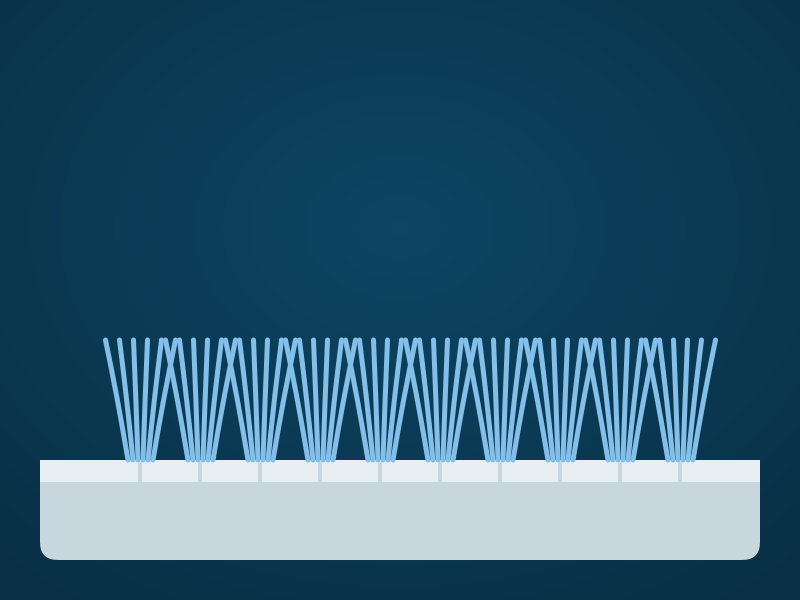
Clumps. Good in sun, takes moderate shade, and the most drought-tolerant of the cool-season four.
Kentucky bluegrass.
Spreads on underground runners, so it mends small gaps. Wants more care and tolerates little shade.

Fine fescue.
Thin, soft blades for shade and low traffic. Hard fescue is the one for Maryland.
Questions about grass seed
What does the Maryland seed certification label mean?
That the Maryland Department of Agriculture tested the seed for germination and purity. University of Maryland Extension says seed with that label usually carries one or more cultivars from its recommended list, and Penn State Extension calls certification the only real assurance of cultivar purity. It is sold at garden centers, turf supply stores, seed suppliers and farm stores rather than everywhere.
Is Kentucky 31 tall fescue good for a lawn?
Not the lawn kind. Kentucky 31, or K-31, is a forage-type tall fescue: coarser, less dense and not as deep green as the turf-type tall fescues bred for lawns, University of Maryland Extension says. Look for turf-type tall fescue, often written TTTF.
Should I avoid seed with annual ryegrass in it?
Yes. Annual ryegrass, also sold as Italian ryegrass, is used in cheap mixes because it comes up fast, but it lives one year and makes it hard for the lawn grasses to establish. University of Maryland Extension says to avoid buying seed that contains it.
Why is grass seed from a national brand sometimes wrong for Maryland?
Because the breeders are far away. University of Maryland Extension notes that major seed producers are often located far from Maryland, in conditions unlike its transition-zone climate and pests, so Maryland and Virginia run their own multi-year trials and publish the cultivars that pass. Suppliers based in the Chesapeake region tend to stock those.
What is the difference between a seed mix and a seed blend?
A mix combines at least two species, such as tall fescue with fine fescue. A blend combines three or more cultivars of one species. Either way the point is genetic diversity, which makes the lawn more vigorous and resilient, and tall fescue should be the largest share.
How much grass seed does a lawn take?
For a new tall fescue lawn, 6 to 8 pounds per 1,000 square feet of bare soil, by University of Maryland Extension's rate, spread half in one direction and half across it, between mid-August and mid-October. A cheap bag with low purity and germination takes more seed to do the same job: Penn State's pure live seed arithmetic, purity times germination, shows whether the bargain is one.
Get a free estimate.
Send the address and we text or call you back. We aerate and overseed lawns, by themselves or with mowing.